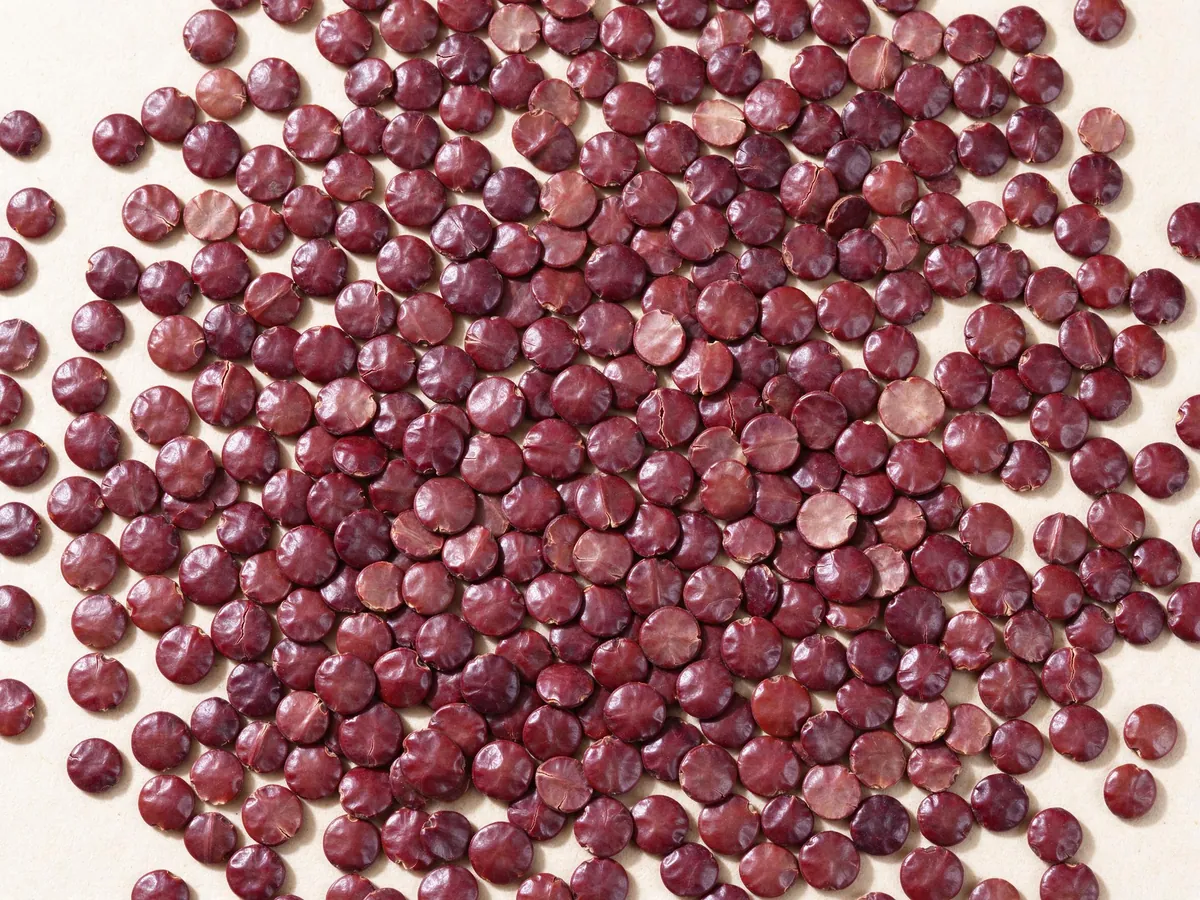
Overview
Suan Zao Ren is sweet, sour and neutral, entering the Liver, Gallbladder and Heart.1,2,3 It nourishes Heart Yin, augments Liver Blood and quiets the spirit.1,2
It restrains so as to allow circulation.2
It is used for insomnia with irritability, palpitations or anxiety from deficiency.2
Identity and sources
It is sweet, sour and neutral, entering the Liver, Gallbladder and Heart.1,3
Actions
Clinical applications
Insomnia from deficiency
For irritability and insomnia with palpitations from Heart Blood or Yin deficiency, it nourishes the Yin and quiets the spirit.2
Insomnia with deficiency heat
Where Liver Yin deficiency carries heat upward, it is used with Anemarrhena and Poria, as in Sour Jujube Decoction.2
Insomnia from Spleen and Heart deficiency
With Codonopsis, Poria and Longan for insomnia, palpitations and irritability from deficient Spleen Qi and Heart Blood, as in Restore the Spleen Decoction.2
Sweating
For both spontaneous sweating and night sweats, it restrains the loss.2
When the Liver Blood is replenished, the Heart Blood also flourishes, as wood generates fire.2
Together the sour and bitter flavours each match their organ: the Liver Blood is supplemented, the Heart Yin is enriched, and the deficiency fire is cleared and directed downward.2
Key combinations
With Bai Shao, Dang Gui and prepared He Shou Wu, it is used for irritability, insomnia and palpitations with anxiety due to Heart Blood and Yin deficiency.2
With Anemarrhenae Rhizoma and Poria in Suan Zao Ren Tang, it is used for insomnia with irritability from Liver Yin deficiency and its heat.2
In Gui Pi Tang, it is used for insomnia, palpitations and irritability from Spleen Qi and Heart Blood deficiency.2
With Schisandra, Astragalus and Cornus, it is used for spontaneous sweating and night sweats.2
Comparison with similar herbs
| Form | Key difference |
|---|---|
| Suan Zao Ren 酸枣仁 (raw seed) | The cleaned seed, broken before use. Nourishes Heart Yin, augments Liver Blood and quiets the spirit.1,2 |
| Chao Suan Zao Ren 炒酸枣仁 (stir-fried) | Stir-fried until the surface swells slightly and shows scorch marks.1 |
| Bai Zi Ren 柏子仁 | Sweet and neutral like this seed, entering the Heart and calming the spirit.2 |
This seed and Bai Zi Ren are both sweet and neutral and both nourish Heart Yin and Liver Blood, and they are more appropriate for irritability and insomnia from deficiency.2
Processing and preparation
The seed is cleaned of remaining shell and broken at the time of use.1
The stir-fried form is made by dry-frying the cleaned seed until the surface swells slightly and shows scorch marks.1
The seeds should be pulverised before dispensing, which increases the full use of the herb and so improves its effect.2
Safety
Use with caution
Severe diarrhoea or heat from excess.2
Modern research
A randomised, double-blind, placebo-controlled cross-over trial used encapsulated Ziziphus spinosa granules, 2 g daily.4
Sleep quality on the PSQI improved significantly during ZS treatment compared with placebo, while other outcomes did not differ significantly, and ZS was well tolerated with only minor adverse events.4
Dose and administration
The official reference dose is 10-15 g.1
This is a reference range, not a safe upper limit.
Common questions
How is it prepared?
The remaining shell is removed and the seed is broken at the time of use.1
Is the stir-fried form different?
The stir-fried seed swells slightly and shows scorch marks.1
Who should avoid it?
It is used with caution in severe diarrhoea or heat from excess.2
Raw or dry-fried for sleep?
The unprepared seed was traditionally used to awaken the spirit and treat drowsiness, and the dry-fried seed to calm the spirit and facilitate sleep.2
What is the usual dose?
The official range is 10-15 g.1
References
- Chinese Pharmacopoeia Commission. Pharmacopoeia of the People's Republic of China, 2020 edition, Volume I. Beijing: China Medical Science Press; 2020. Part I, pp. 382-383.
- Bensky D, Clavey S, Stöger E. Chinese Herbal Medicine: Materia Medica. Portable 3rd edition. Seattle: Eastland Press; 2015. pp. 961-963.
- Ministry of Health and Welfare. Taiwan Herbal Pharmacopoeia, 4th edition (English edition). Taipei; 2022, with 2025 amendments where cited. p. 421.
- Shergis JL, Hyde A, Meaklim H, et al. Medicinal seeds Ziziphus spinosa for insomnia: a randomized, placebo-controlled, cross-over, feasibility clinical trial. Complement Ther Med. 2021. doi.org/10.1016/j.ctim.2020.102657
Educational reference only. Not medical advice or an individual prescription. Consult a qualified practitioner before using any herb or treatment.